
Move Water Away From Your Foundation
French drain installation to redirect standing water and prevent erosion on Charlotte properties.
If you see water pooling near your foundation, washing out mulch beds, or creating soft spots in your yard after rain, a French drain can redirect that water before it causes erosion or seeps into your basement. In Charlotte, clay soil and sudden downpours often lead to water sitting on the surface because the ground cannot absorb it fast enough, which is why drainage systems are a common solution for properties that struggle with standing water or soggy areas that never fully dry out.
Taylor Made Dreamscapes Incorporated installs French drains by digging a sloped trench, lining it with landscape fabric, filling it with gravel, and placing a perforated pipe that collects and channels water away from problem areas. The system is buried and covered, so it works without changing the appearance of your yard or interrupting landscaping.
If your property in Charlotte has drainage issues that affect your foundation or yard usability, get in touch to discuss placement and outlet options.
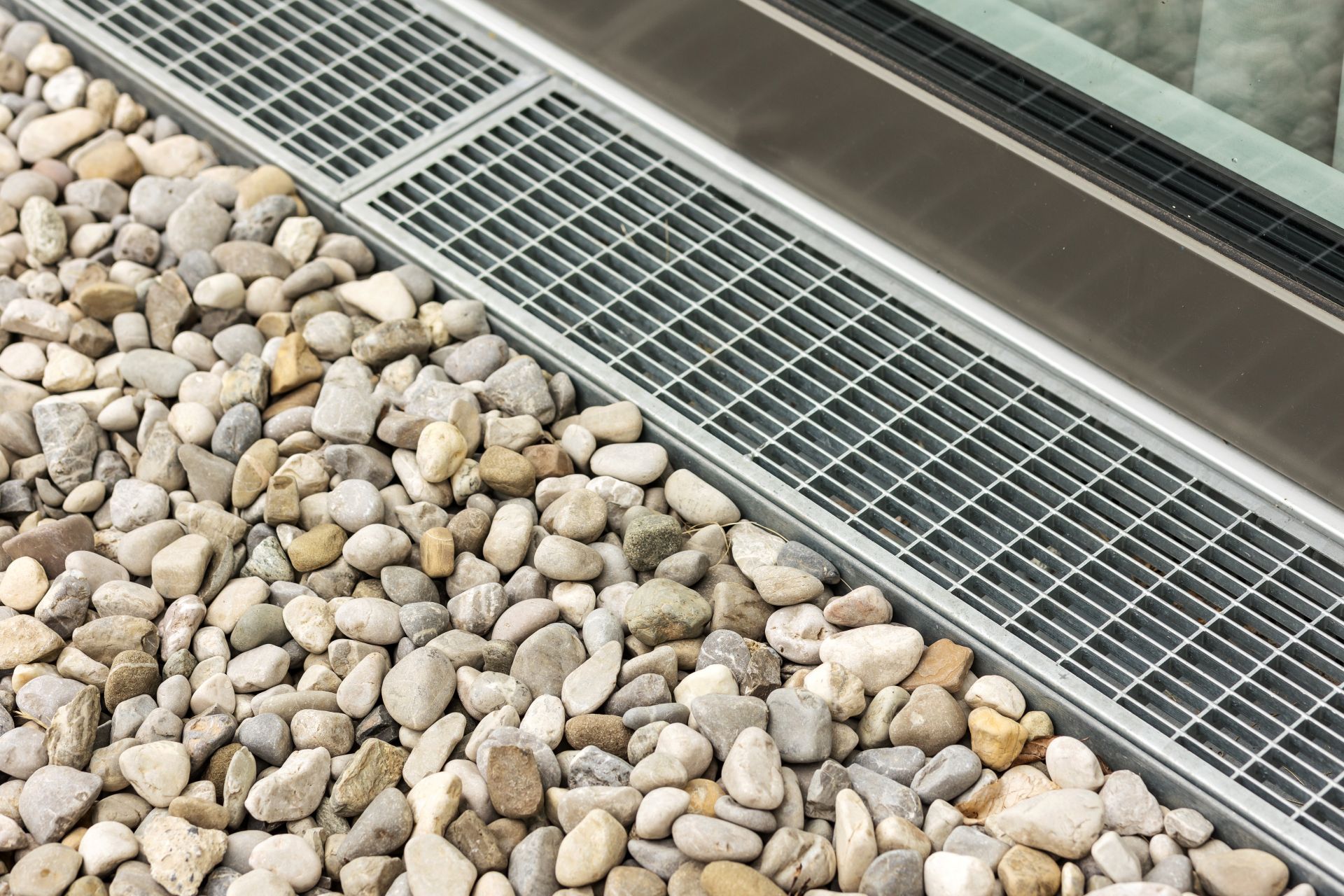
How a French Drain Functions Underground
Installation begins by identifying where water collects and where it needs to go, then digging a trench that slopes toward a safe outlet such as a street drain, dry well, or low area away from structures. In Charlotte, the trench is typically twelve to eighteen inches deep depending on how much water needs to be moved. Landscape fabric lines the trench to prevent soil from clogging the gravel, and a perforated pipe is laid along the bottom to carry water away.
Once installed, you will see water disappear from problem areas within hours of heavy rain instead of sitting for days. The ground near your foundation stays drier, mulch beds stop washing out, and soft spots firm up as water moves through the drain instead of pooling on the surface.
This service works for yards with poor natural drainage, new construction sites, and properties where downspouts or slope direct water toward structures. It does not address roof leaks or interior moisture problems, only surface and subsurface water movement.
Questions That Come Up About Drainage Work
Homeowners in Charlotte often ask about how deep the drain needs to be, where the water goes, and how long the system lasts before maintenance is required.
If your property in Charlotte has water pooling near the foundation or washing out landscaping after storms, Taylor Made Dreamscapes Incorporated can install a French drain that redirects water and prevents long-term damage. Learn more about drainage solutions suited to your yard.