Surfaces That Stay Safe When Wet
Poolside paver and stone installation for Charlotte backyards and commercial pools.
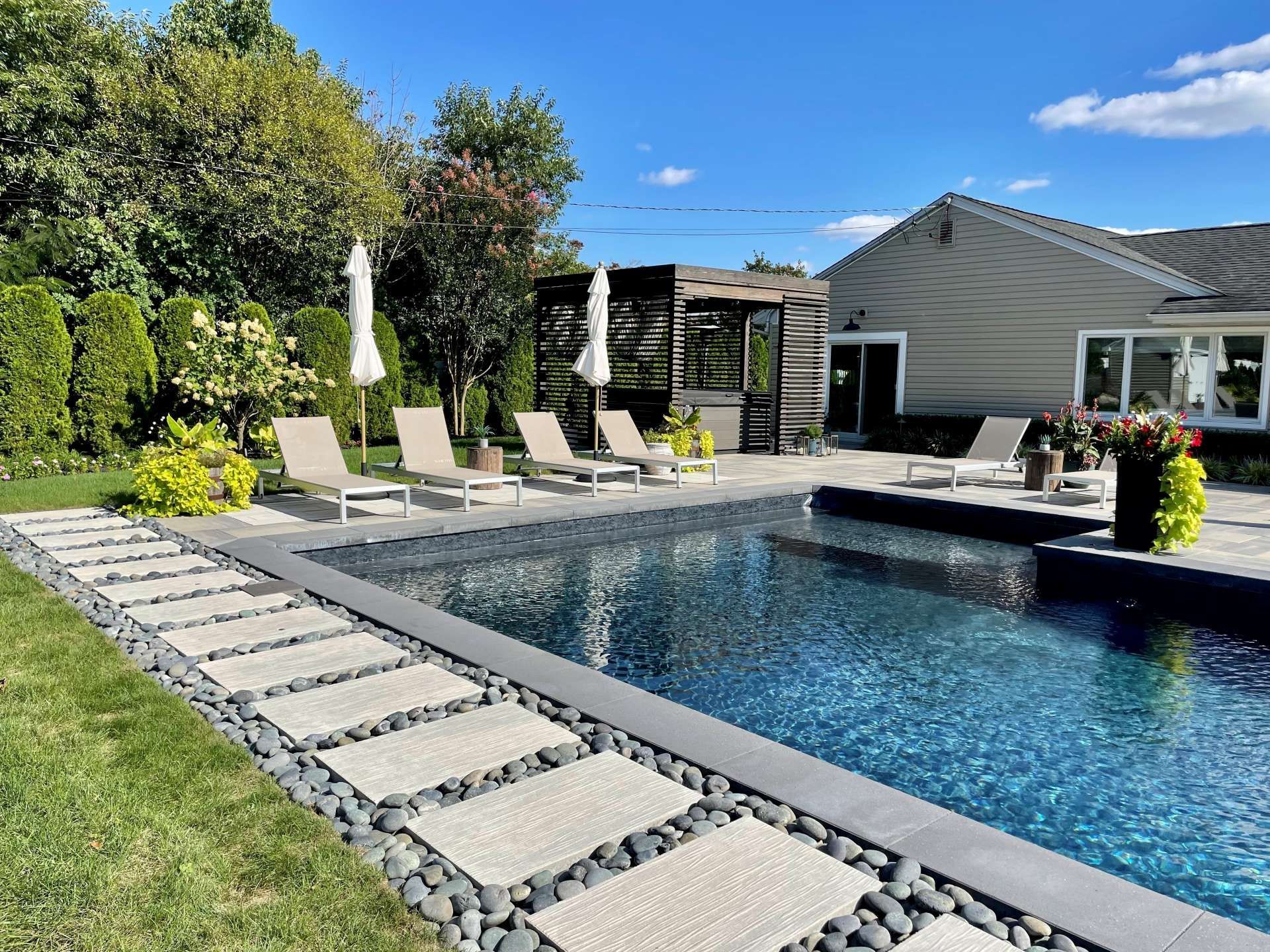
When your pool deck stays wet from splashing or rainfall, you need a surface that does not become slippery or develop algae buildup in shaded areas. Poolside hardscaping uses textured pavers and natural stone with drainage systems built into the base so water moves away from walking paths and seating areas. In Charlotte, where summer humidity keeps surfaces damp longer, the right material choice and slope design prevent standing water and reduce slip risks around the pool perimeter.
Taylor Made Dreamscapes Incorporated installs poolside hardscaping using slip-resistant pavers rated for wet environments, along with graded bases that direct water toward drainage channels or landscape beds. The installation includes edge treatments that coordinate with outdoor kitchens, lounge areas, and planting zones. You can select from travertine, textured concrete pavers, or natural stone depending on the look you want and how much sun exposure the area receives.
If your current pool deck shows cracking, uneven settling, or algae growth, reach out to discuss hardscaping options for your Charlotte property.
Why Texture and Slope Matter Around Water
The installation process in Charlotte begins with removing existing concrete or soil and establishing a graded base that slopes away from the pool edge. A compacted gravel layer provides drainage, and a sand bed allows pavers to settle evenly without creating trip hazards. Slip-resistant pavers are laid with tight joints to prevent water from pooling on the surface, and edge restraints keep the perimeter stable under foot traffic.
Once the work is complete, you will notice that water moves off the deck quickly after swimmers exit the pool, and the textured surface provides traction even when wet. The pavers do not absorb as much heat as smooth concrete, which makes barefoot walking more comfortable during peak summer sun.
The design can extend to connect with existing patios, outdoor kitchens, or fire pit areas, creating a unified hardscape layout. Sealing is optional but can reduce staining from sunscreen, chlorine, and organic debris if the pool sees heavy use throughout the season.
What homeowners ask about poolside surfaces
Homeowners often want to know how poolside hardscaping handles chlorine exposure, what maintenance is required, and whether the surface stays cool enough for barefoot use in Charlotte summers.
Taylor Made Dreamscapes Incorporated designs poolside hardscaping for Charlotte properties that handle wet conditions, coordinate with outdoor living features, and stay safe for barefoot traffic. Contact us to review material options and layout plans for your pool area.